1D vs. 2D Barcodes: How They Store Data and When to Use Each
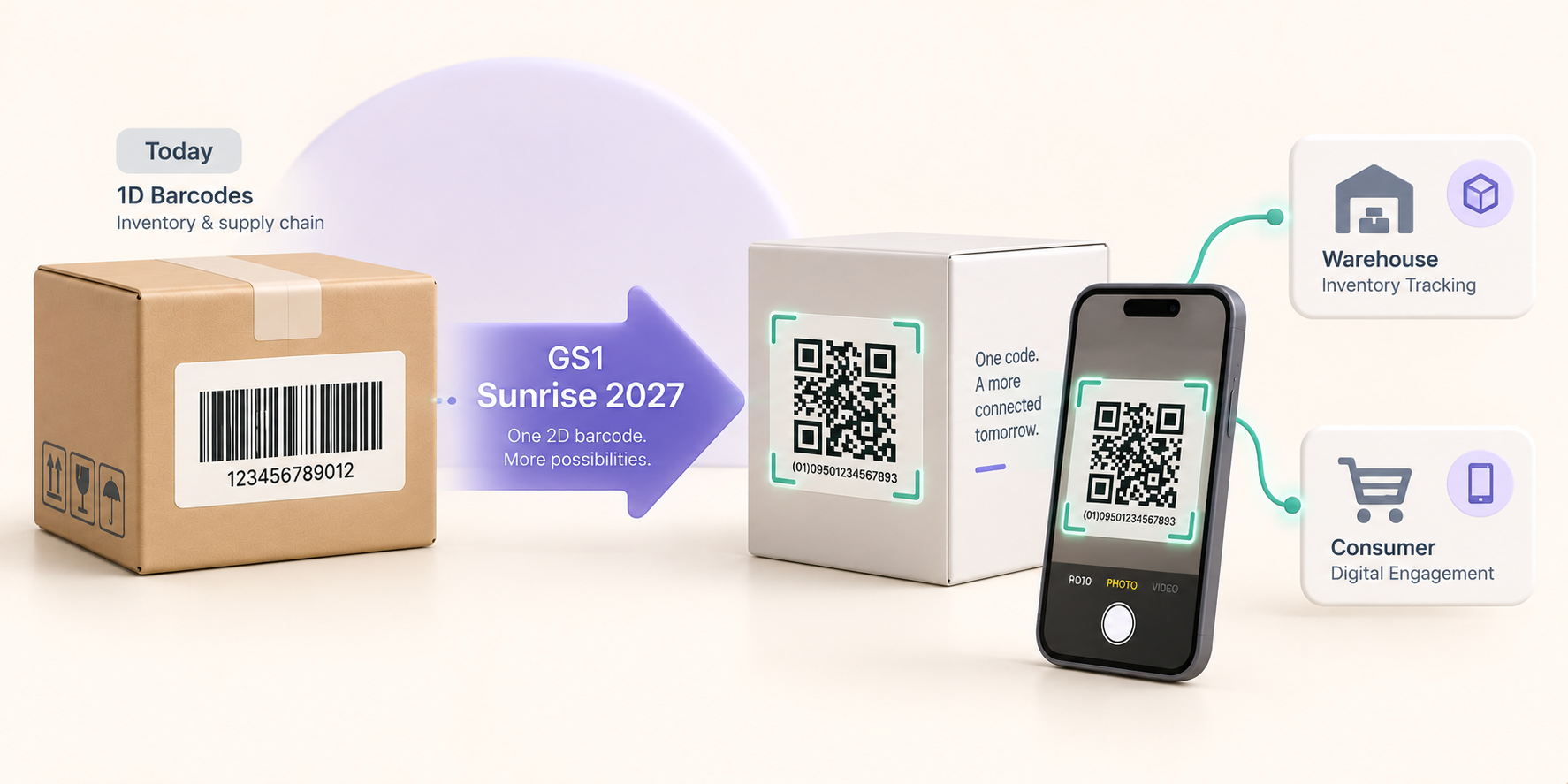
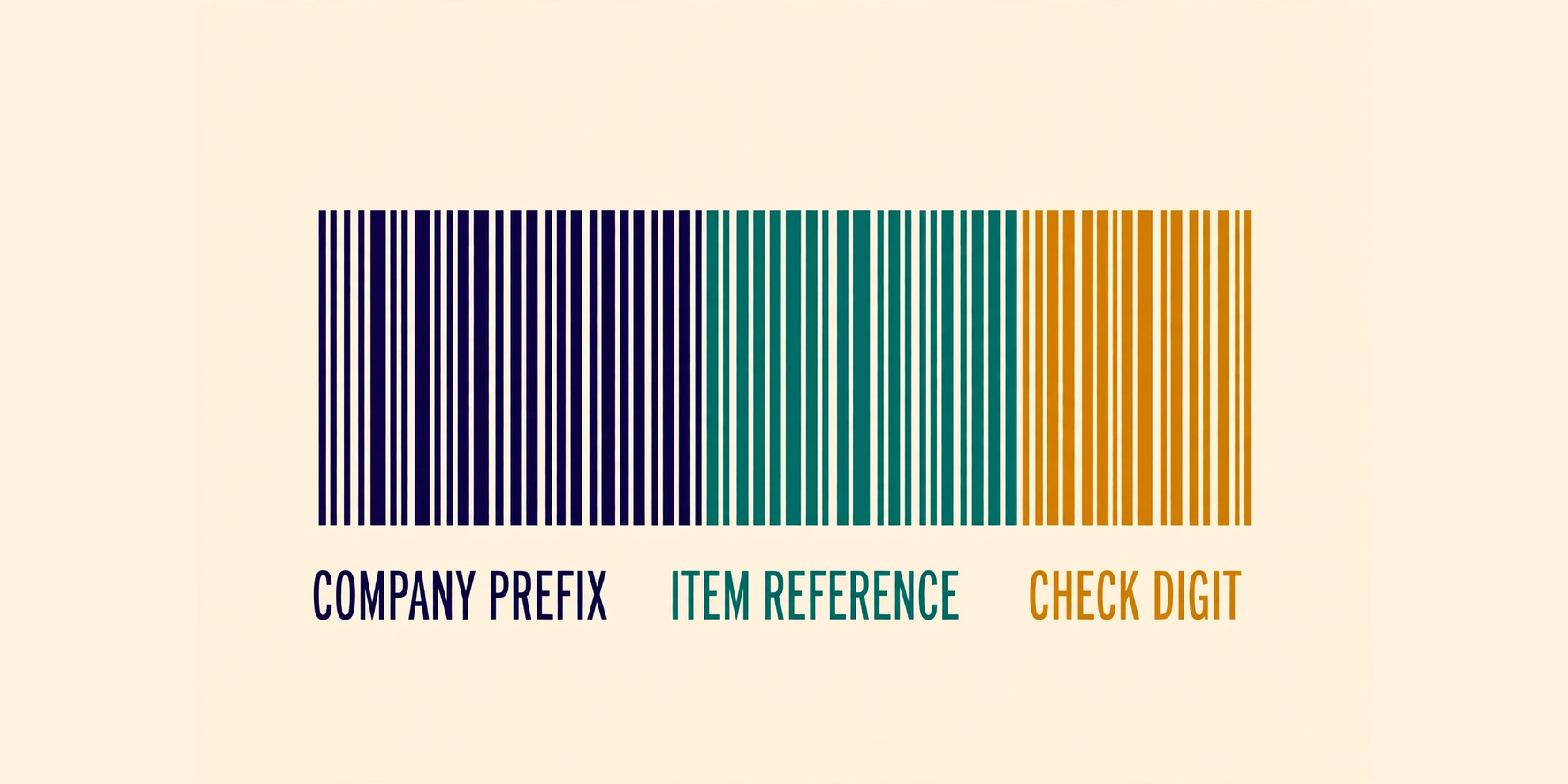
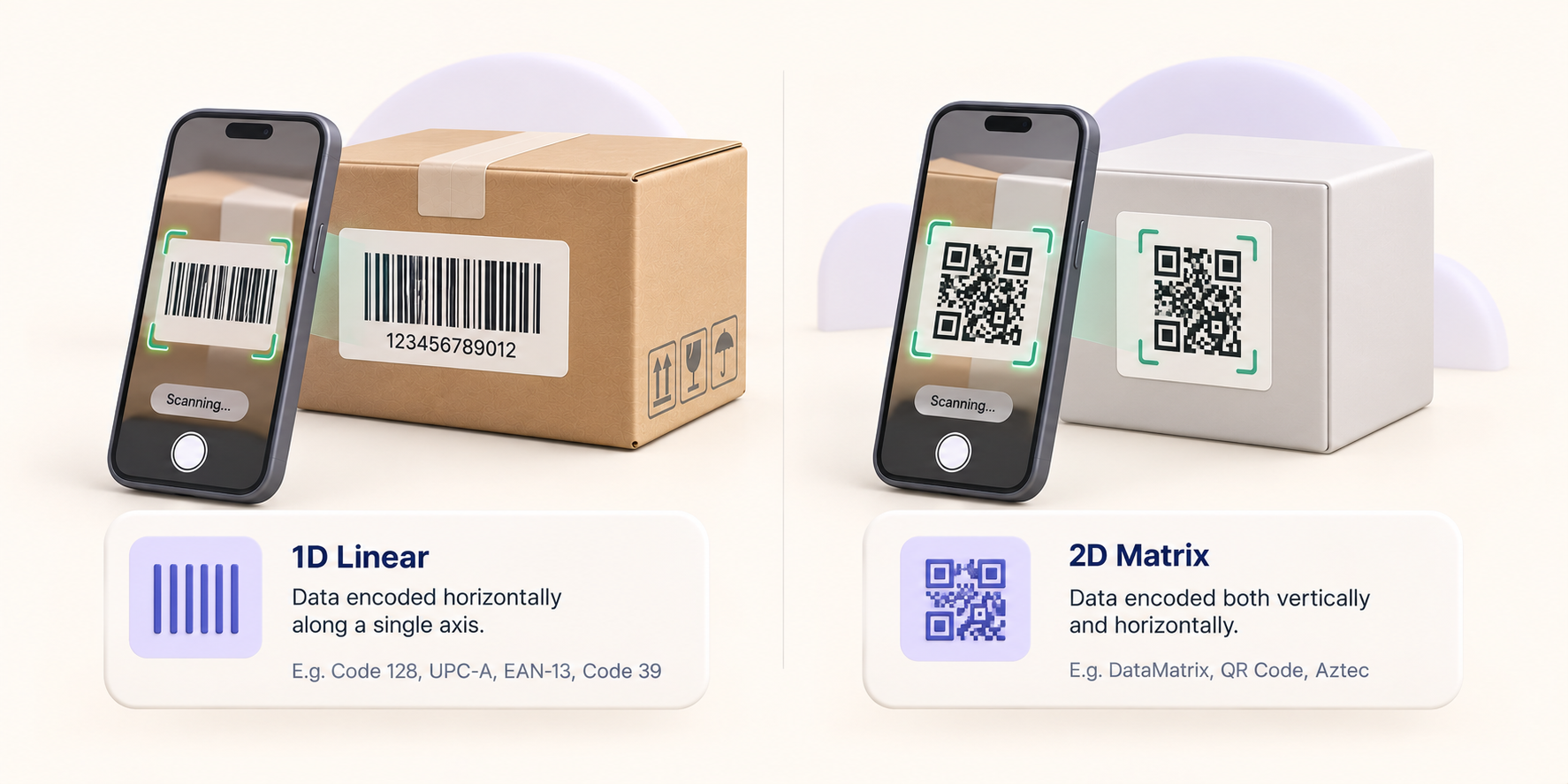
A 1D barcode is a lookup key. A 2D barcode is a small database. This article explains how each family stores data, why 2D survives damage, and how to choose between them.
Read the articleVision Scan Insights
Practical, technical articles on the standards behind every scan — symbologies, GS1 data, the 2D migration, and the receiving workflows that turn a barcode into a stock record. Written from the same knowledge base as the Vision Scan Barcode Hub, with no sales layer in between.
Try “GS1”, “check digit”, or “receiving”.
Showing 10 of 10 articles
A 1D barcode is a lookup key. A 2D barcode is a small database. This article explains how each family stores data, why 2D survives damage, and how to choose between them.
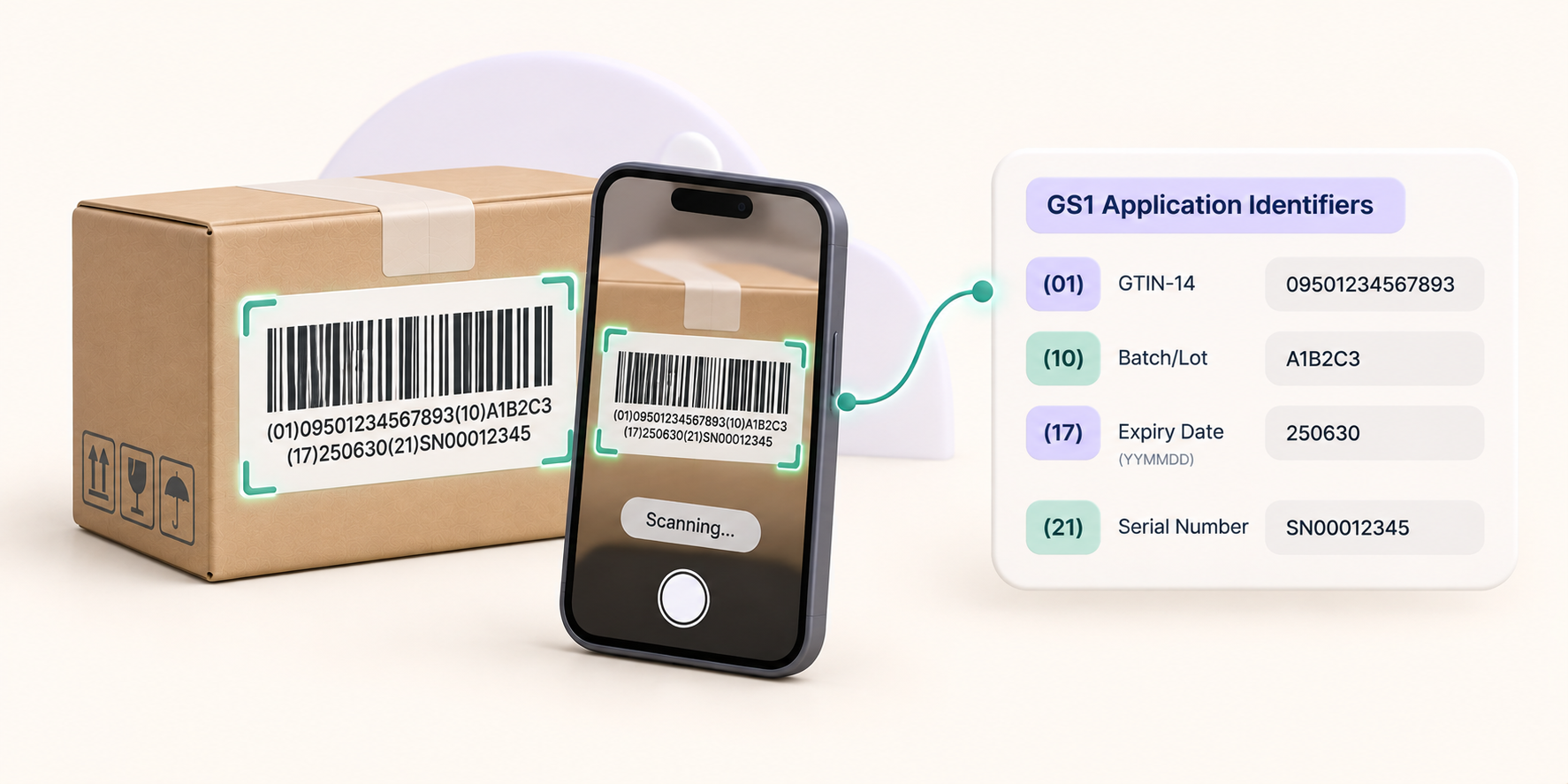
Read the articleAn Application Identifier is a two-to-four-digit label that tells any scanner what the next value means. Here is how the common AIs work and how to read a complete GS1 element string.
Read the articleBy the end of 2027, retail point-of-sale systems are expected to read 2D barcodes alongside the familiar 1D symbol. Here is what the program actually commits to — and what it does not.
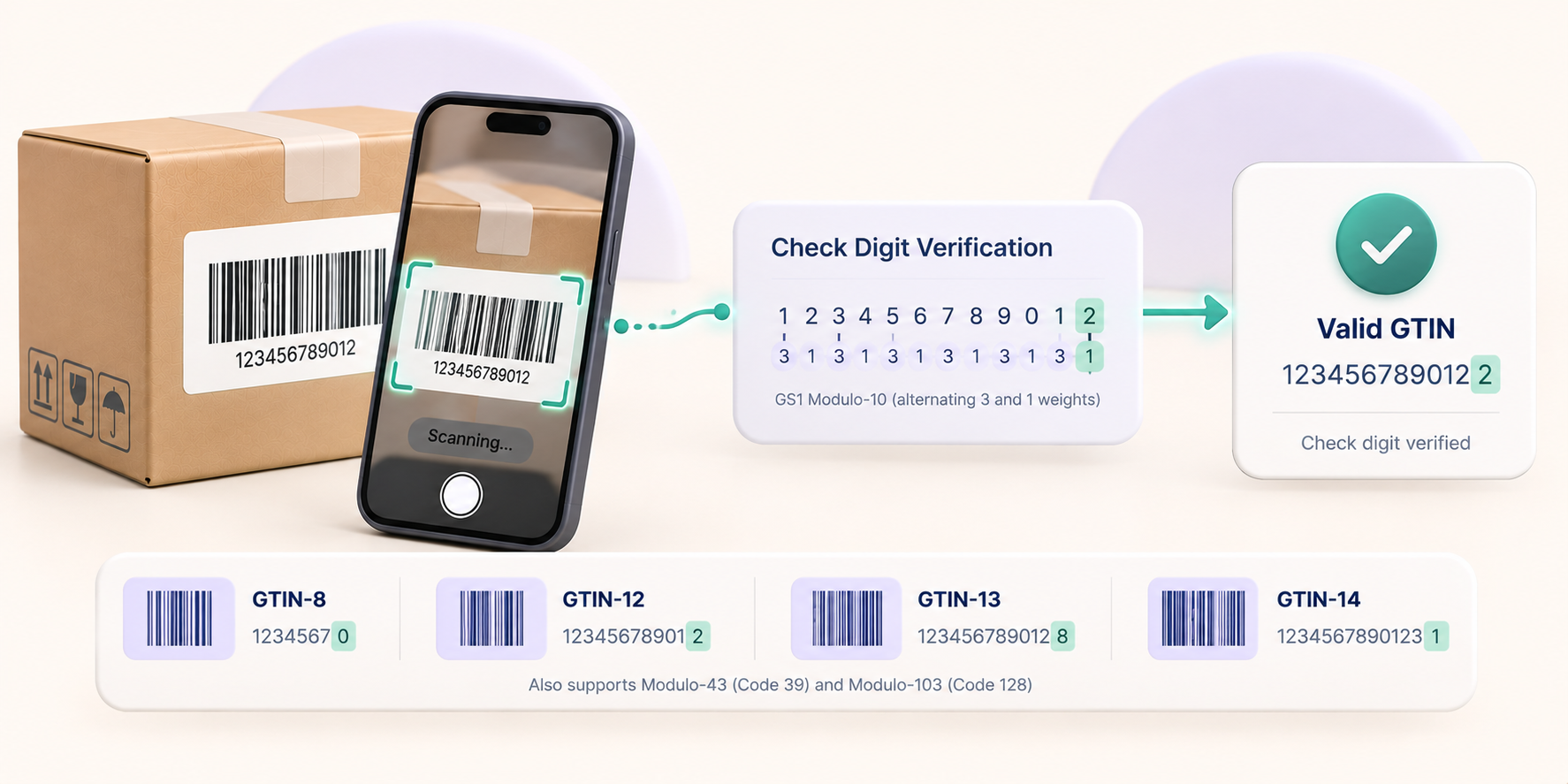
Read the articleThe final digit of every GTIN is a checksum computed from the others. Work through one real calculation and you will understand what check digits catch — and what they cannot.
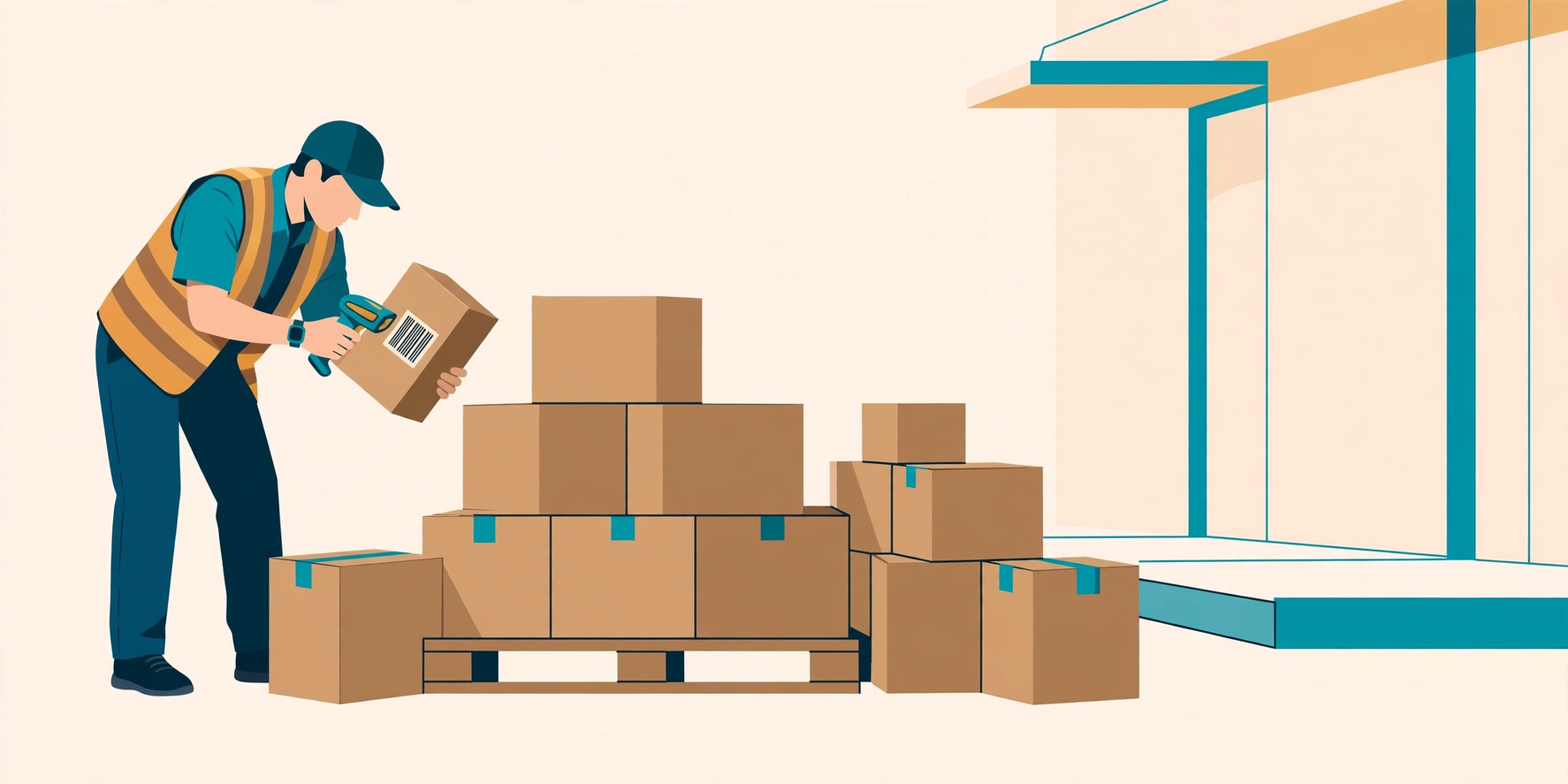
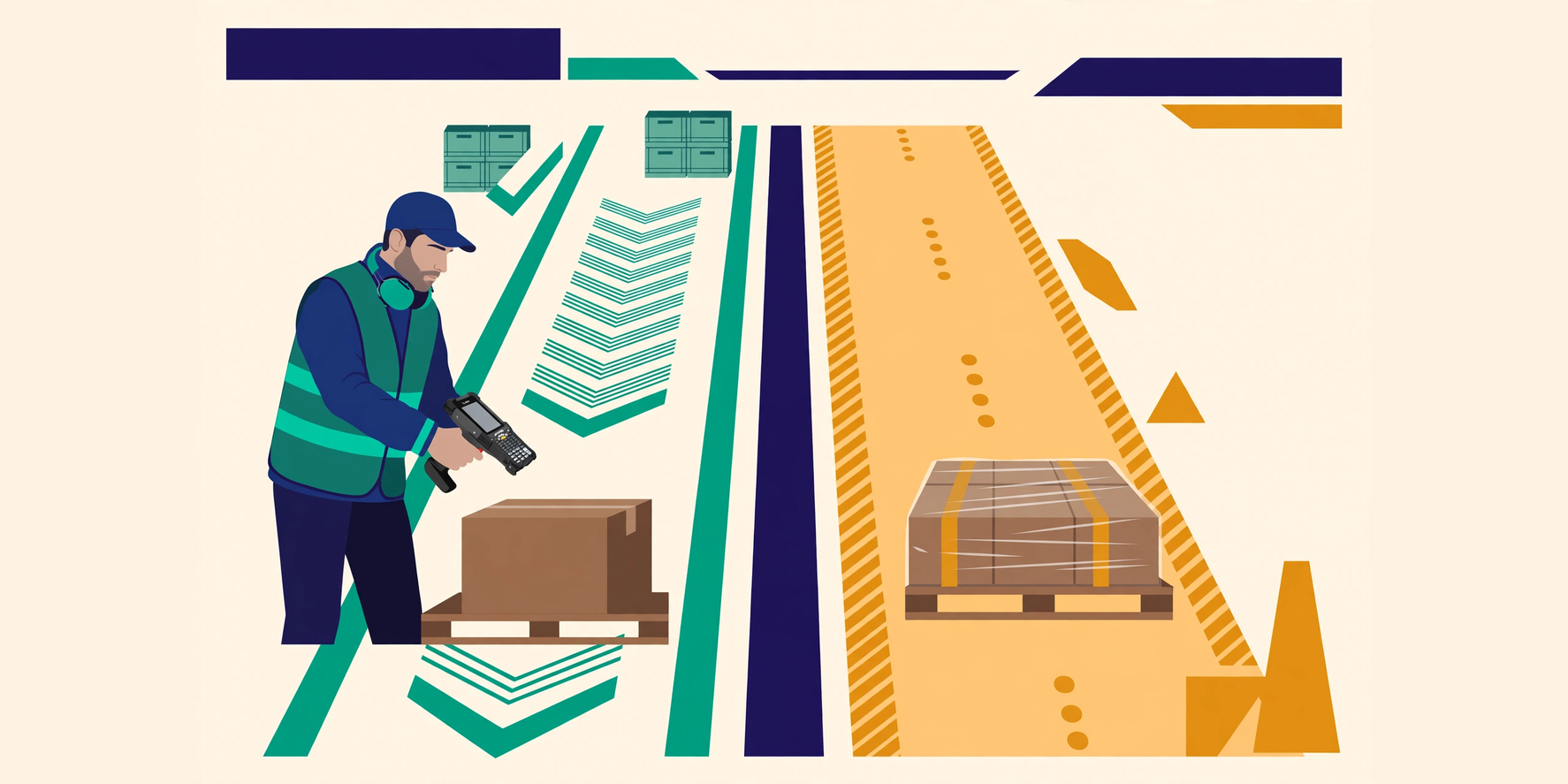
Read the articleA barcode on a carton is only the start. Traceability happens when the receiving scan is verified, matched, and recorded — and when the exceptions are handled instead of waved through.
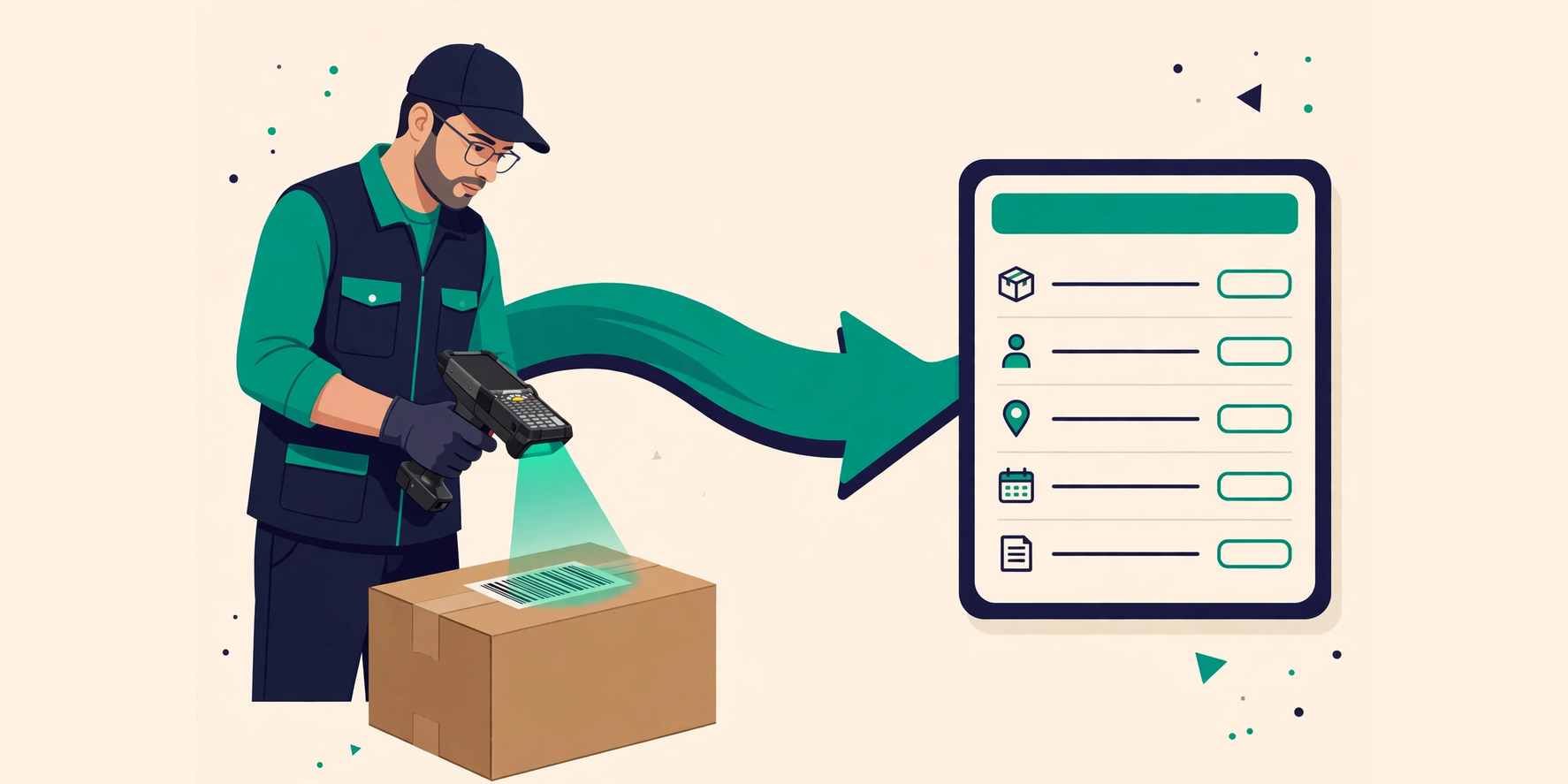
Read the articleA scan is not a record. This article follows a barcode from the beep through parsing, validation, and recording — and shows what makes the resulting record actually useful.
Read the articleExceptions are where traceability is tested. This article covers the failures you will actually meet at the dock, and the quarantine-record-resolve discipline that keeps them from becoming lost stock.
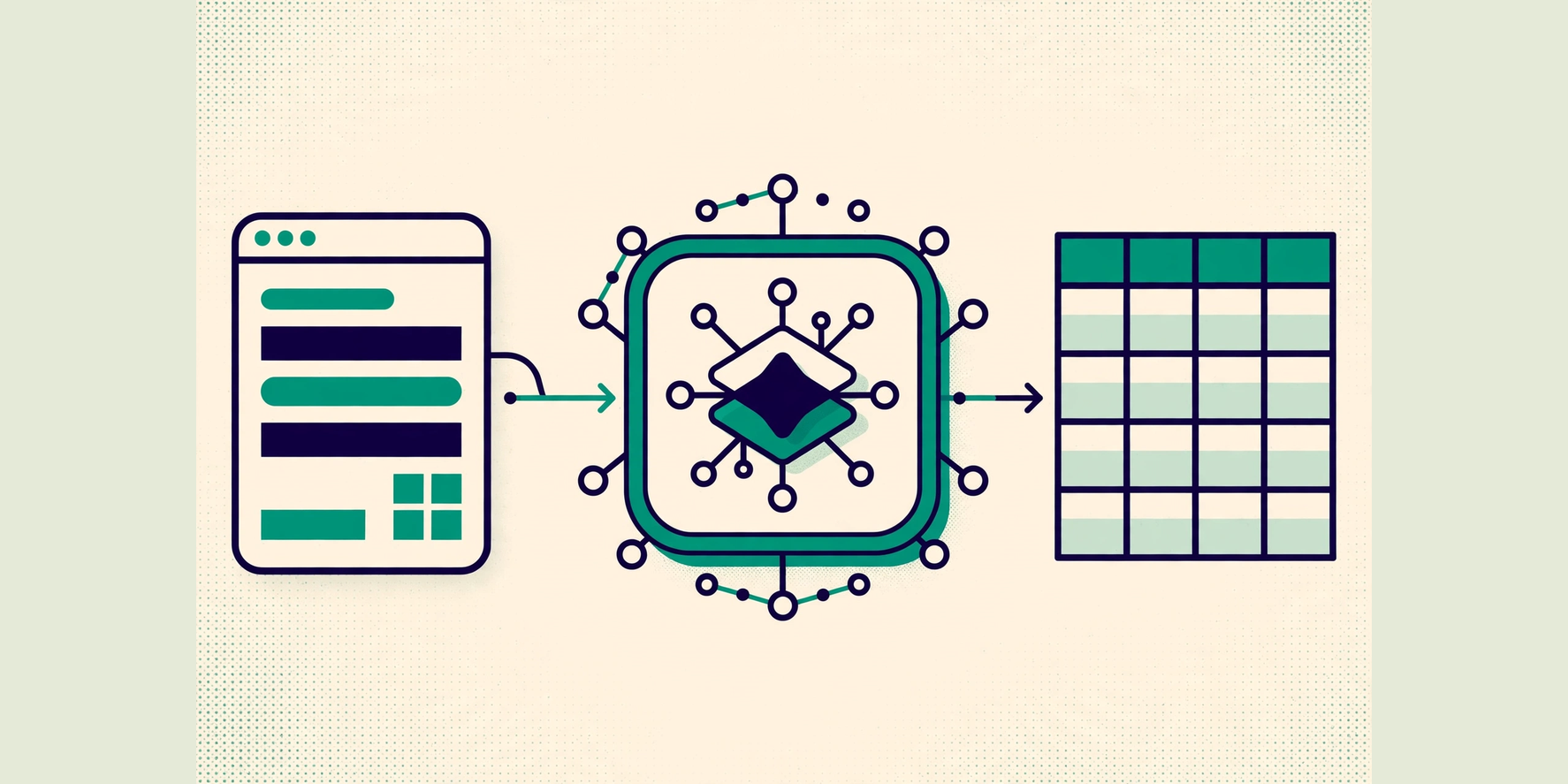
Read the articleOn-device SDK or Cloud REST? The docs describe both, and the right choice depends on where scanning happens, who owns the device, and what your connectivity allows.
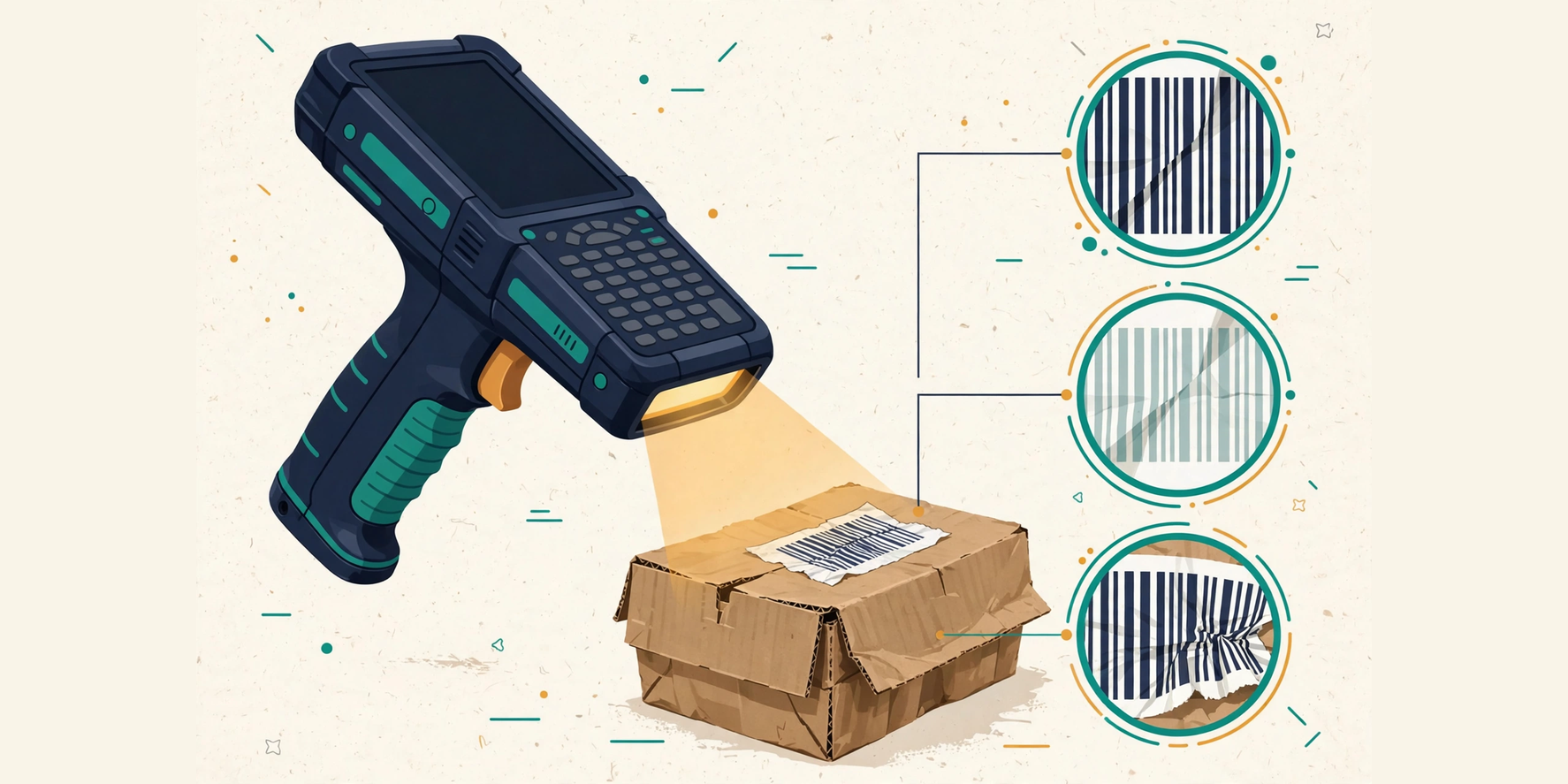
Read the articleDo not keep re-aiming and hoping. Work through the symbol, the scanner, and the system in order — most scan failures announce their cause if you know where to look.
Read the articleEvery barcode story starts with an identity. This article explains what a GTIN is, how its lengths relate, who issues them, and why an internal SKU can never substitute for one.
Read the article